
Understanding the Importance of Breast Density: Tamara’s Story
Pernyataan Penolakan: Know Your Lemons sangat menghargai dan menghormati pengalaman dan cerita yang dibagikan oleh pasien kanker payudara. Saran, pernyataan, atau fakta yang disajikan dalam narasi ini mungkin tidak selalu sejalan dengan keahlian medis atau berlaku secara universal untuk setiap situasi individu. Kanker payudara adalah kondisi medis yang kompleks dan sangat individual, dan meskipun kisah-kisah ini memberikan wawasan berharga dan dukungan emosional, mereka tidak boleh menggantikan saran medis profesional atau pengobatan. Selalu konsultasikan dengan penyedia layanan kesehatan yang berkualifikasi untuk panduan dan pengambilan keputusan yang dipersonalisasi terkait diagnosis, pengobatan, dan pengelolaan kanker payudara. Know Your Lemons mendorong pendekatan kolaboratif antara pasien, pengasuh, dan tenaga medis untuk memastikan perawatan dan hasil terbaik bagi mereka yang terkena dampak kanker payudara.
About Tamara
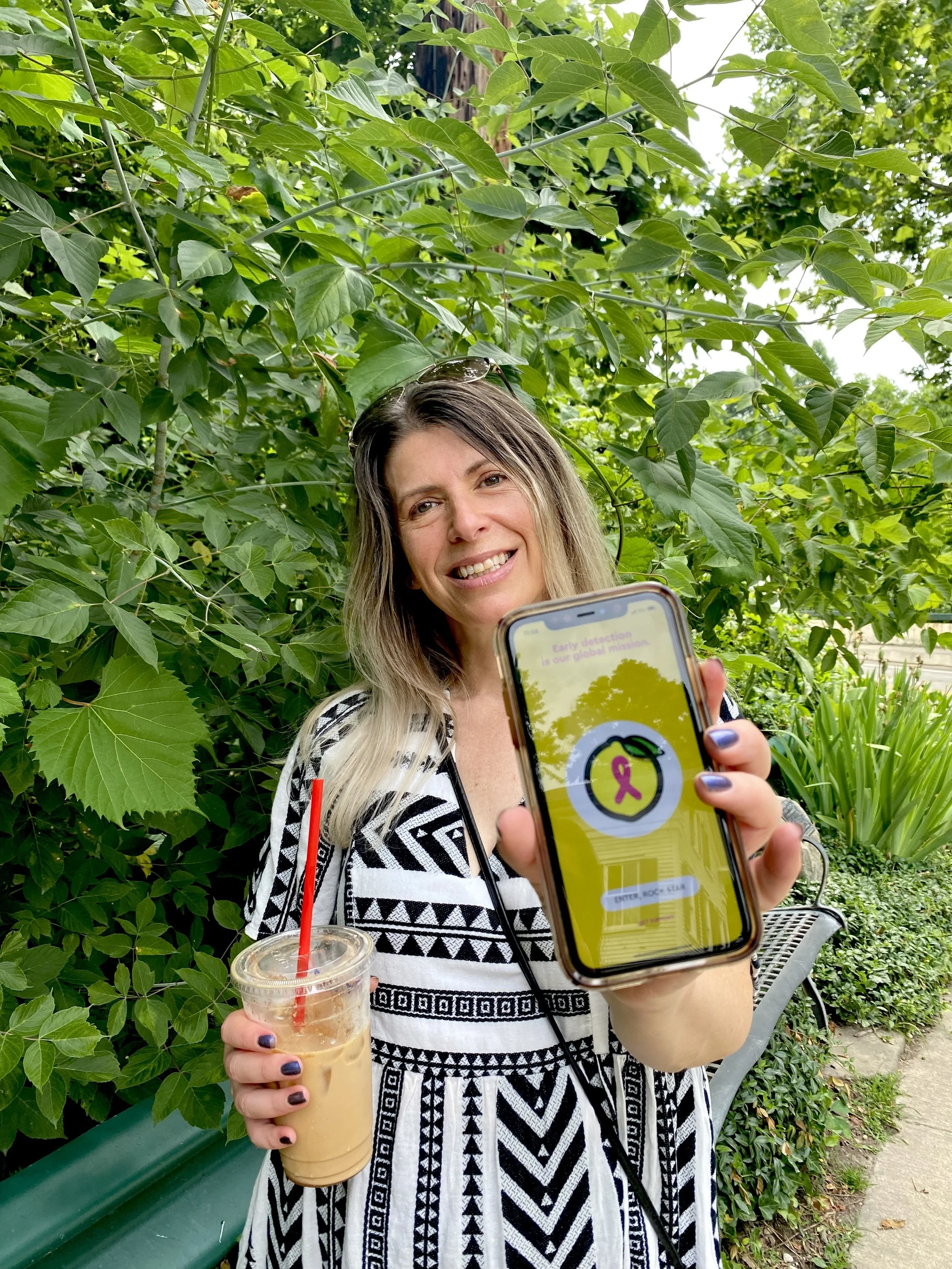
We’re pleased to introduce Tamara from Ohio. Tamara leads a rich life, balancing her time between her job as an administrative assistant and her personal interests, which include cooking, writing, researching, photography, and thrifting with her daughter.
Tamara is particularly proud of her two children, whom she considers her greatest accomplishment. In addition, she had the opportunity to contribute her testimony on the importance of knowing your breast density for The Dense Breast Screening Legislation in Ohio in 2021. She just recently started the Instagram account @breastdensitynow to help educate her audience about breast density.
An interesting tidbit about Tamara is her attempt to embrace new challenges following her breast cancer treatments. She decided to pursue a motorcycle license. The experience has been a reminder to her of her willingness to step out of her comfort zone and try new things.
We invite you to learn more about Tamara and the experiences that shaped her life.
Tamara’s Breast Cancer Story:
Hello, my name is Tamara, and I wanted to share a small part of my breast cancer diagnosis story with you today. When I was 45 years old, I noticed – while looking in the mirror – that I had some dimpling and puckering in an area of my breast. I initially thought it was just an indentation from my bra or that maybe I had slept on my side in a strange way, leaving a mark. So, I monitored it over several days; some days it disappeared completely, and other days it was more prominent. I mentioned it to my technician when I went in for my mammogram. This led to me receiving a 3D mammogram and an ultrasound, both of which did not show any cancer.
I knew I had dense breast tissue because, when I started getting mammograms at age 40, I was informed of this. I also had no family history of breast cancer, and I didn’t realize that 85% of people diagnosed with breast cancer have no family history. I also wasn’t aware that dense breast tissue made me more susceptible to developing cancer and that it also made it harder to detect cancer in screenings.
Ultimately, because the breast surgeon I saw did not think insurance would cover a standard breast MRI, I paid for my own abbreviated, fast breast MRI. That test revealed a six-centimeter mass, approximately two inches, that was cancerous and had spread to my lymph nodes. I had to undergo surgery, chemotherapy, and radiation. But that was nearly four years ago, and I'm still here. I continue to advocate for those with dense breast tissue to speak up and get second opinions. If you can, I highly recommend getting an MRI or an abbreviated MRI.
I am so grateful to Know Your Lemons for educating and providing this vital information. Understanding your body is crucial, but sometimes it takes that extra education and information to connect the dots and get the medical advice and attention you need. I’m thankful for Know Your Lemons and all the information they provide. Thank you.